HRI Blog


Jan. 17, 2021

Be a Good Neighbor: 7 Unique Housewarming Gifts for a Warm Welcome

Are you trying to make a new neighbor feel welcome and cared for in the community?

Moving to a new area can be disorienting and lonely, especially in this era of social distancing. Being there for your neighbor in this crucial time can build the foundation for a beautiful friendship, cordial conversation, and maybe a shared cup of flour or two.

So be a good neighbor! Given the busy real estate market these days, chances are you have or will have at least one new neighbor on the street sometime soon. Take a look through some of our favorite creative housewarming gift ideas that will help you welcome your new neighbor home.

1. A Beautiful Houseplant

Here's something that will bring joy (and a little extra oxygen) to your new neighbor's life. If you're concerned about the difficulty of taking care of a plant, try getting something that doesn't require a lot of maintenance, like a succulent.

Houseplants can have a lot of personality. Whether you go for something cute or elegant, this thoughtful housewarming gift could be the start of a great neighborly relationship.

2. An Herb Garden Starter Kit

If you like the ecological vibe of a plant gift but you want to go for something more practical, try gifting your neighbor an herb garden! These days, there are lots of handy little kits that can get your neighbor growing basil, mint, and whatever else they find tasty in no time.

This is a unique housewarming gift that tells your neighbor you're excited for their roots to grow in this new home. Plus, anyone who frequently cooks at home knows the extraordinary value of being able to step outside for fresh herbs!

3. Be a Good Neighbor and Make a Homemade Meal

Whether you’re a seasoned chef or simply doing your best, there’s nothing like a home-cooked meal to warm the heart. This doesn't have to be a full-on, 3-course, Michelin-star-quality meal if you're nervous! Try baking a batch of your favorite cookies (but avoid using nuts or other allergens, just in case). Moving to a new place can be disorienting and lonely, so a thoughtful food gift can go a long way. Nothing warms the heart like a freshly baked treat or meal.

4. Flowers in a Reusable Vase

Lots of people bring flowers to a housewarming, but where do those flowers go? If your neighbors are first-time homebuyers, they are probably still building up their basic supply of home items. A beautiful vase will help them fill out their cache of decor, and it lasts far longer than the flowers you gift inside it.

Try picking out a pretty clay or glass vessel for your blooming beauties. Your new neighbors will think of the kind gesture every time they see your gift of flowers, and every time they use the vase! It’s a gift that keeps on giving.

5. Specialized Kitchenware
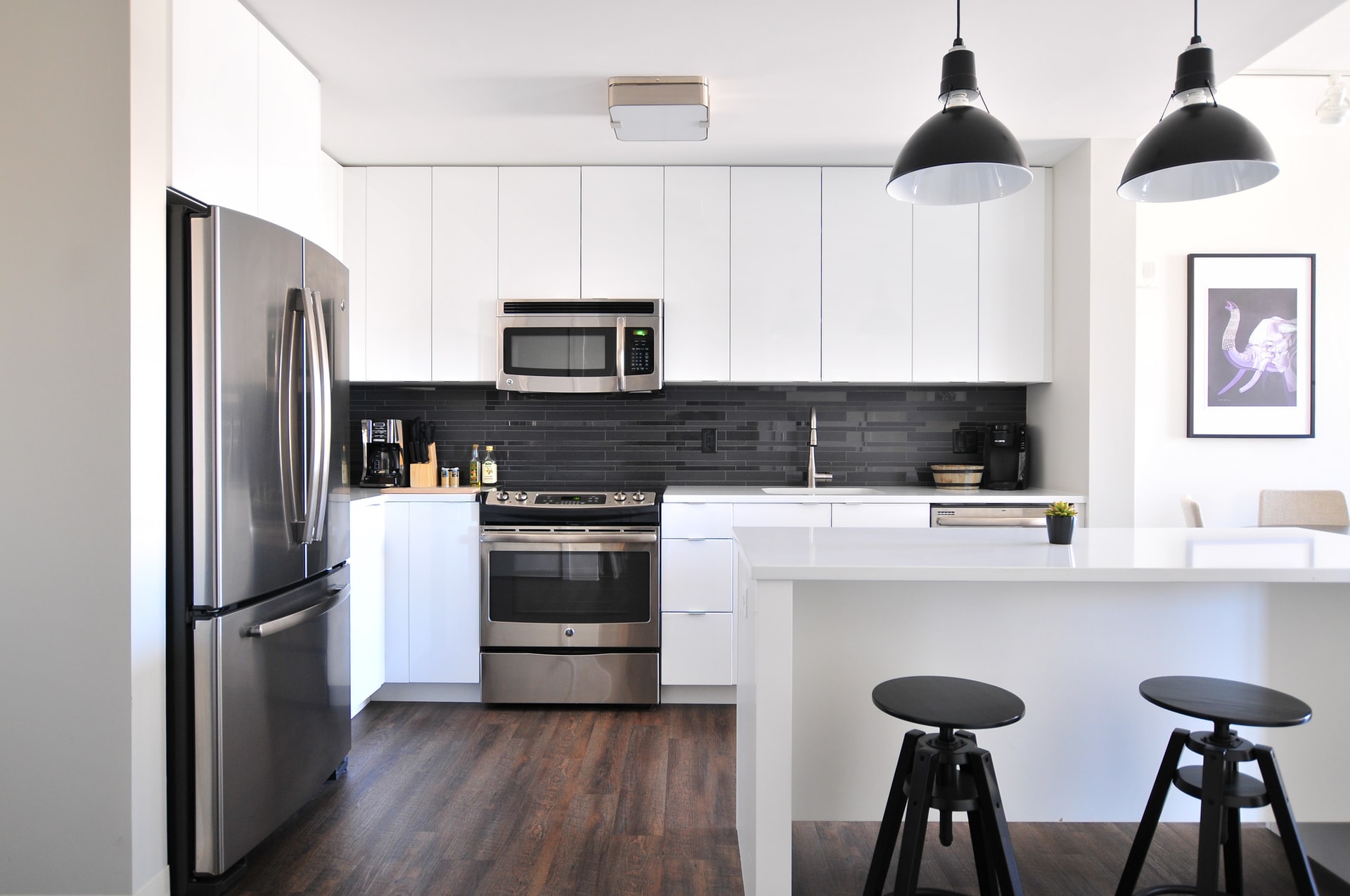
Ever used a garlic press? How about a tortilla warmer? Items like these are well-loved by the people who use them, but chances are your neighbor doesn't have one yet.

When people move to a new home, they're often thinking of the basic items they need in order to get started. By giving them some thoughtful specialty kitchenware, you can make their cooking experience that much more unique and efficient.

6. A Cast Iron Pan

If you're worried about going the specialized route because you don't know your neighbors too well, here's something that almost everyone would love.

A good cast iron pan can upgrade the quality of every meal. Cast iron is durable and truly timeless, an heirloom gift that can be passed down through generations. And even if your neighbor already has one, it's nice to have another!

7. A Coffee Set

You might have to sneakily find out what kind of coffee your neighbor likes to make before you get them a coffee set. But the nice thing here is that you can scale the gift up or down.

For a casual gift, you might go with some high-quality beans and a grinder. And for something more generous, you can get your neighbor a nice coffeemaker. There are also “coffee of the month” subscriptions that you can gift to your neighbor, so they can try all kinds of coffee and discover something new.

Put a Smile on Your Neighbor’s Face!

Taking the time to pick out a thoughtful gift for your new neighbor says more than the gift itself could ever convey. After going through the homebuying process, then moving in and getting situated, then learning the neighborhood and meeting new people… it’s a lot to do all at once. By reaching out to a new neighbor, you will plant the seed of friendship and community right away, and you’ll brighten your neighbor’s day.

So be a good neighbor! And if you want to hear about our experience matching homebuyers and neighborhoods, reach out! We'd love to hear from you.


Posted in Lifestyle
Jan. 8, 2021

How to Make Your Home Cozy for the Winter

It’s time to cozy up for the holidays and wintertime. You want your home to be a warm and toasty retreat that you can come back to every evening, right?

Having a cozy home is great for your family and guests. Imagine comfortable nights in with tasty hot chocolate and a burning fire. Doesn’t that sound great?

We have a few tips and tricks for you so you can make your home cozy for the winter. Read on for some of our favorites. 

Keep the Fire Going

If you have a fireplace in your home, you’re so lucky! This is the perfect time to keep the fire glowing.

Organize the rest of your living room around that glowing fire. If possible, position your television on the wall on the wall above the fireplace so you can enjoy your favorite holiday movies without leaving the warm and cozy space.

Make sure you and your family know all about fireplace safety before you keep the fire lit.

Warm Wood Tones

We love warm and natural wood colors for the winter. They’re reminiscent of evergreens and natural tree bark, or a toasty cabin in the woods. 

Invest in a few side-tables or chairs with wooden accents, or wood hanging signs to put up on your walls. They bring a cozy feeling to your living room. 

Seasonal Colors for Everything

Does your living room have seasonal colors?

During the winter, most of us think of red, green, gold, and white. Some people also have blue in the mix. These are the colors that you want to decorate with to keep up the holiday spirit while staying stylish.

We love warm red hand-knit blankets and quilts and gold accent decorations on the shelves.

Keep Up the Heat

One of the most important parts of a cozy home is that it’s warm. Make sure you’re keeping the heat high enough that you and your family can stay comfortable inside.

You don’t have to run up your electric bill to do this. Instead, aim for a temperature that’s just warm enough that you can cuddle up in a warm blanket without overheating. 

Keep Some Greenery

Winter isn’t the best time for growing your outdoor garden. Instead, bring the greenery indoors.

You aren’t limited to the classic Christmas tree. You can get all kinds of pine and holly accents (or the famous mistletoe plant) to bring nature indoors. These sweet evergreen accessories make any space feel more wintery.

Live plants are also great for a cozy home. Not only do they look great and give you something to care for, but they also might make you happier and less anxious. Don’t limit your gardening time to the warm summer and spring months. 

Invest in Comfy Furniture

You can’t have a cozy space with uncomfortable couches and chairs. Now might be the time to invest in something comfy and plush so you can take full advantage of your space. 

Everyone has different couch preferences, so shopping in-person is the most ideal option. Do you want something soft that you can sink into, or would you prefer a firm couch that helps improve your posture? 

Whatever it is, throw a warm quilt over it and it’s ready for the family to enjoy. 

Use Warm Lighting

What’s more comfy and cozy than the dim flow from an orange-toned light? 

The bright lights that we’re used to aren’t very cozy. They strain the eyes and they’re often cool-toned.

Warm and dim lighting gives you that “cozy” feeling. Consider things like fairy lights (or string lights), or lights with changing colors and dimming options that you can control from an app on your phone. 

Lighting sets the mood, so pay attention to it. 

Use Candles

Speaking of lighting, candles are another great option for adding a bit of light and warmth to your space.

We suggest scented candles for the ultimate comfy and cozy experience. Nearly all candle brands offer seasonal scents. Some of our favorites are warm pumpkin and cinnamon blends or sweet vanilla. 

You’ll feel as though you’re sitting and waiting for cookies or other baked goods to come out of the oven. What’s cozier than that? 

Use Warm, Shaggy Rugs

Do your floors not keep your feet warm?

Whether you have tile, vinyl or hardwood flooring, you might not be getting cozy vibes from your feet. Even carpet can feel less than ideal if it’s old and flat. The good news is that any of this can be fixed!

Thick, plush shag or faux-fur rugs are a great way to give yourself a better and more comfy experience. You can even layer rugs for a Moroccan vibe, contrasting patterns and textures while providing a cozy surface for your toes.

Extra-Soft Everything

Why not use the coziest season to bring out your softest items? 

We love microfiber and fleece throw blankets for cozy additions to our bedrooms and living rooms, as well as soft pillowcases. 

You can get a couch cover for any couch that isn’t reaching its peak cozy potential. Most of them come on and off with ease, so you don’t have to go through a hassle every time the seasons change. 

Cozy Slippers At the Door

This isn’t a decoration, but it is a great way to make sure that your family doesn’t drag dirt into the home. Place a pair of warm slippers for every person who lives with you at the entrance to your home (preferably next to a shoe rack). 

This lets your friends and family know that they need to remove their shoes before coming in, but they can trade them for slippers!

Do You Have a Cozy Home?

A cozy home is essential for colder winter months. Why not amp up the cozy factor in your house with some of our tips and tricks? 

Making your home cozy, warm and inviting can be lots of fun, and something you can work on together as a household. Keep the warm and fuzzy feelings going all winter long!

If you’re looking for a new home that you can transform into a cozy sanctuary, we’re here to help. Reach out and connect with us to start the no-pressure conversation and discuss your options! 

Posted in Lifestyle
Dec. 23, 2020

Wishing You a Merry Holiday Season from Hawaii Realty International


December 2020


Hi Friends and Neighbors,

The holidays are in full swing, and we’re as busy as Santa’s elves!

With the market still playing catch-up after an unseasonably slow spring, this may be the hottest December real estate market in years.

Yes, yes, we’ll still be eating, drinking and being merry while we safely share the joy with our loved ones. But we’re also excited to help our clients find a Christmas miracle or two as they list or buy a home!

From our hearts to yours, we wish you the happiest, healthiest December and a very merry holiday season. 


Read on for local updates, featured listings and more! 


Talk soon,
Mike & Lisa Styring
Hawaii Realty International

 
IN THE NEWS
Oahu's housing market sees increase in home sales despite pandemic
View Article
KITV Island News
How to see the Honolulu City Lights this year
View Article
Honolulu Family
 
IN ESCROW
47-795 Malumalu Place
Kaneohe

3 BD | 2 BA | 1+ acre of land | $1,450,000
IN ESCROW IN UNDER TWO WEEKS
Represented Seller
 
45-202 Wena St
Kaneohe

4 BD | 3 BA | 1,744 SQ FT | $885,000
IN ESCROW IN JUST 5 DAYS
Represented Buyer
 
3027 Pualei Circle #307
Honolulu

1 BD | 1 BA | 676 SQ FT | $525,000
IN ESCROW IN JUST 4 DAYS
Represented Seller
 
91-721 Puamaeole St #19A
Ewa Beach

2 BD | 2 BA | 874 SQ FT | $458,000
IN ESCROW IN JUST 8 DAYS
Represented Buyer
 
RECENT SUCCESS
751 Kaipi'i Street
Kailua

4 BD | 2.5 BA | 1,370 SQ FT 
SOLD for $911,000 - Represented Seller
Sold in 23 days for 101% of Asking Price!
 
801 Kakala St #1006
Kapolei

3 BD | 2 BA | 945 SQ FT 
SOLD for $505,000 - Represented Seller
Sold in 10 days for 101% of Asking Price!
 
91-1057 Laaulu St #4G
Ewa Beach

2 BD | 2 BA | 1,060 SQ FT 
SOLD for $502,000
Represented Buyer
 
41-684 Kaaumana Pl #0
Laie

3 BD | 2 BA | 1,386 SQ FT
SOLD for $548,000
Represented Buyer
 
41-1694A Kalanianaole Hwy
Waimanalo

3 BD | 2.5 BA | 2,546 SQ FT
SOLD for $1,200,000 - Represented Seller
Sold in 4 days for 100% of Asking Price!
 
SEARCH ALL LISTINGS
 
Stay in touch with us!
 
Facebook
Instagram
Website
© 2020 Hawaii Realty International, All rights reserved.
970 N. Kalaheo Ave A210, Kailua, Hawaii 96734
Posted in Newsletter
Dec. 18, 2020

7 Indoor House Plants to Help Brighten Your Home During the Colder Months

If the dark and dreary days of late fall and winter tend to bring you down, why not brighten your home’s interior with indoor houseplants this year? Once you get one, you'll find it hard to stop acquiring them. That's how uplifting indoor plants can be.

Most indoor houseplants are inexpensive and require relatively little maintenance. However, if you prefer a more significant challenge, there are more needy and delicate options, such as orchids.

Here, though, we'll discuss seven of our favorite indoor houseplants. All are readily available at local garden or home stores. You might even have friends with cuttings to share from their plants.

Indoor Houseplants to Lift Your Spirits

Important Note! The first four houseplants listed are toxic and should be kept away from cats and dogs. The last three plants listed are safe for pets (although the plants themselves might look a bit ragged after their first "pet vs plant" encounter).

Plants to Keep Away From Pets

If you love surrounding yourself with vibrant life, you may have both flora and fauna sharing your home. Just watch out that neither is harmed by the other. Avoid tragedy by keeping poisonous plants on a high shelf or in a room with the door closed. Many houseplants are super simple, but there are some essential rules. This may be the most important: Don’t mix pets and poisonous plants! Now, on to the houseplants.

1. Pothos

Like many other fast-growing plants, hardly anyone ever pays for the pothos. At some workplaces, you'll find pothos that started as a wee clipping from a coworker’s plant, now growing wildly and taking over a desktop or windowsill. Yes, they do enjoy the sunlight.

As many have experienced, it is possible to over-water the pothos, so be sure to water it only when the soil is mostly dry. You'll enjoy watching its curled-up leaves gradually unfurl, somewhat like an umbrella. Don't be impatient, though. It takes a few days. That’s part of the fun!

2. Snake Plant

The snake plant (Sansevieria trifasciata) is native to tropical climates. These are among the best indoor plants and are sometimes referred to as "pieces of furniture," being so hardy as to withstand even weeks of neglect or the mistakes of plant newbies. Snake plants are great for beginners.

Snake plants don't need frequent watering since their thick, waxy, fibrous leaves store lots of moisture. If anything will kill a snake plant, though, it's cat pee, which alters the soil's pH. So keep your cats away.

Besides, eating snake plant leaves causes nausea, vomiting, and diarrhea in both cats and dogs. No bueno.

3. Clivia

The clivia (Clivia miniata) is one of the most beautiful indoor flowering plants. While it can take a few years for this plant's bright orange blossoms to appear, the bloom is truly awe-inspiring and worth the wait. Clivia is fickle, and might not bloom regularly, making it even more special when it happens.

If you see a clivia plant suddenly start looking sickly, check the roots. These plants tend to split into multiples and proliferate, or they can become root-bound just as fast. If this happens, you should either divide the plant or put it in a larger pot.

Be aware that the clivia, especially large amounts of it, can make your pets quite ill, so take the necessary precautions.

4. Polka Dot Plant

With its delicately patterned and brightly colored leaves, the polka dot plant (Hypoestes phyllostachya) makes a welcome addition to any room of the house. While this plant can grow from seeds, it's more often propagated by cuttings. Ask around, maybe your friends have some to share!

With a stunning plant like this, there are sure to be many clippings available.

Although the polka dot plant isn't highly poisonous to pets, it might give them tummy aches if they eat a lot of it. For your pets’ sake and the sake of this lovely plant, try your best to keep them away from each other.

Pet-Safe Plants

You may be surprised at how many of the best indoor plants are also safe for pets—though you don't exactly want to give any of these to your cat or dog for dinner, either.

But if you want to know how to brighten up your home in a pet-safe way, then check out these and other pet-friendly indoor houseplants.

5. Spider Plant

Who hasn't owned a spider plant (Chlorophytum) at one time or another? Hardly anyone has to purchase these dangling beauties. Most of the ones we've had in our homes began as offshoots or "babies," grown from someone else's original plant. Spider plant is among the most common houseplants, and for good reason.

Since spider plants usually hang from a hook on the ceiling, your cats and dogs will gaze longingly at them. But gazing is all they can do, unless, of course, it grows down to the floor.

In that case, it would be wise to trim off some of those baby spider plants and give them away to people you know.

6. African Violet

African violets (Saintpaulia) enjoy low light and moderate temperatures, making them ideal inside plants, as well as easy to care for. A soil-free potting mix and a balanced fertilizer help African violets stay healthy.

An African violet produces beautiful bright purple flowers among its thick and fuzzy leaves. And even though it won't harm your pets if they ingest it, this is a delicate plant that you should display on a high shelf.

7. Calathea

Another of the indoor flowering plants is the Calathea, also known as prayer plant, zebra plants, and peacock plants. There actually are several different species in the Calathea family, some with intricate patterns of parallel lines on the leaves.

Since plants in the Calathea family come from the tropics, they require warmth and a certain level of humidity to flourish. Given this, it does seem odd that they prefer limited water and indirect light. They are what they are. And they are great as houseplants!

Your Indoor Garden

Indoor houseplants don't just brighten your home. They also clean the air, release moisture, relieve stress, promote relaxation, and even increase our attention spans. What's more, the presence of plants can give anyone's spirits a boost.

If you're thinking of selling your home but not planning to fully stage it, houseplants are a nice way to liven up your interior for photos and prospective buyers. Houseplants can even be a heartfelt little welcome gift for the buyers of your home. So try one of the hearty plants we've discussed here!

If you're interested in buying or selling real estate in Kailua, Honolulu, Oahu, and beyond, give us a shout! We're a seasoned team of Kailua real estate agents with offices in Kailua, HI, and we'd love to hear from you.


Posted in Lifestyle
Dec. 14, 2020

Should I Buy a Real or Artificial Christmas Tree?

Real or Artificial Christmas Trees

With the holiday season in full swing, you might be wondering: Should I buy a real or artificial Christmas tree? A majority of Americans decorate a Christmas tree for the holidays, but you may not have considered whether a real or fake tree is better for the health of your family and the environment. 

This year, we decided to look into the health and environmental impacts of real vs artificial Christmas trees. In this article, we’ll explore the history, production and disposal of real and artificial Christmas trees, and we’ll share some tips to help you reduce your carbon footprint and have a “green” Christmas!

So, should you buy a real or artificial Christmas tree? Let’s find out, starting with a little background on the subject.

A Brief History of the Christmas Tree

Predecessors of the Christmas tree date all the way back to ancient Rome, but their modern conception comes from 16th-century Germany. Early Christmas trees were adorned with apples, candy canes and festively shaped pastries — decidedly more edible decor than the current fashion of lights and ornaments. Hessian soldiers brought the tradition from Germany to North America during the Revolutionary War, and by the 19th century Christmas trees were popular throughout the young United States.

All Christmas trees were real until Germany innovated again, inventing artificial trees in the 19th century. The first artificial Christmas trees were crafted from goose feathers dyed green to mimic evergreen boughs. Fast forward to the present, and you can now buy an artificial Christmas tree made of PVC, optic fiber, mylar, cardboard, glass — you name it!

Today, over three quarters of American homes display a Christmas tree during the holidays, and over 80 percent of those trees are artificial. The trend is clearly towards artificial Christmas trees, but that may not be the healthiest option for your family or the environment. Here’s why.

Environmental and Health Impacts of Christmas Tree Production

At face value, artificial trees sound like a win-win proposition. Obviously, you don’t need to fell a real tree to get an artificial tree. Sounds pretty green! Even better, you can reuse your artificial tree and save another tree every year. However, these perceived benefits are based on the notion that chopping down a real tree is bad for the environment. In fact, it’s quite the opposite.

Real Christmas Tree Production

Real Christmas trees are actually grown on farms, like the produce you buy at the supermarket. It takes about eight years for the trees to grow to popular heights of five to seven feet, so the Christmas tree industry maintains an expansive forest habitat that might otherwise not exist. According to The Nature Conservancy, “Out of the 350-500 million growing on tree farms across the U.S., only 30 million trees are harvested for Christmas each year.”

Christmas tree farming occurs in all 50 states, so buying a real tree is more akin to patronizing your local farmers’ market, rather than supporting large-scale deforestation. Buying a real tree helps to incentivize those farmers to continue growing trees, capturing carbon, and providing more healthy forest habitat where wildlife can thrive. That’s all good stuff!

If real Christmas trees are a crop, does that mean they’re sprayed with pesticides? Unfortunately, yes. As Dr. Nathan Donley outlines in this 2019 article, real trees are sprayed with some pretty nasty stuff to help them grow successfully. But if proper farming practices are followed, the pesticides should not be around when you bring your tree home.

Pesticides are labeled with a “pre-harvest interval” which tells farmers when they can apply their last spray before harvest. Christmas trees are last sprayed in the spring or summer, which gives the pesticides time to break down before the trees are cut and sold. According to Jeffrey Jenkins, Ph.D., an environmental toxicologist and professor at Oregon State University, “These products [pesticides] have been evaluated by the EPA and they have a very long and involved process for evaluating potential impacts on human health.” 

So yes, pesticides are used on Christmas trees, but it’s not a major cause for concern. In his article, Dr. Nathan Donley states confidently that “the last thing you should do is go out and buy a new plastic tree. That is by far the worse choice for your health and the environment.” Here’s why.

Artificial Christmas Tree Production

Artificial trees are manufactured. Most artificial trees are made of PVC, or polyvinyl chloride, which is a non-recyclable, non-biodegradable plastic. When PVC is manufactured, burned or landfilled, harmful dioxins are released, potentially leading to developmental and reproductive problems in humans and animals. This is definitely not good for your health or the environment.

To make matters worse, most artificial trees are produced overseas. That means less money goes to local farmers, and more fossil fuels are burned to ship the fake trees to be sold in the US.

As far as production goes, real Christmas trees are the clear winner over artificial trees for personal and environmental health.

Recycling Christmas Trees

Real or artificial, chances are you have a tree. When the holidays are over, what do you do with it?

With an artificial tree, you can pack it away for next year. In addition to the convenience of simply pulling your tree from storage, reusing the same artificial tree over a period of years helps to diminish the environmental impact of its initial production. That is, as long as you’re not buying a new artificial tree every year.

If you do get rid of an artificial tree, it will likely end up in a landfill. As we mentioned previously, the PVC from which your fake tree is made is not recyclable, and it is prone to releasing negative chemical compounds into the environment. In short, if you’re going to buy an artificial tree, make sure it’s something you’ll be happy to use for a long time. 

If you go with a real Christmas tree, you have a few environmentally friendly options to get rid of it. Real trees are recyclable, and most municipalities offer curbside pickup of real trees after the holidays. For info on how and where to recycle your tree on Oahu, Hawaii News New has you covered.

Another green option is a real, potted Christmas tree. Potted trees are live trees that you can decorate and nurture for the holidays, then plant in your yard and watch it grow. The downside is that they tend to be on the small side, as a large tree would be heavy and require a hefty pot. But if you have a hankering for the real thing, and you have a place to plant it, a potted Christmas tree is a great option.

Buying a Real or Artificial Christmas Tree

From production to disposal, real trees have less negative impact on the environment than artificial trees. Of course, there are a few more factors to consider when you make your next Christmas tree purchase. Let’s wrap up by listing out the pros and cons we’ve listed, and a few more for good measure.

Real Christmas Tree Pros

- Supports local farmers

- Provides forest habitat for wildlife

- Captures carbon

- Recyclable and compostable

- Makes your living room smell great!

Real Christmas Tree Cons

- Heavy and unwieldy

- May trigger allergies

- Must purchase new each year

- May come with some pests, since pesticides wear off between last application and sale

Artificial Christmas Tree Pros

- Reusable

- Cheaper over the long term

- Easy setup (sometimes with built-in lights)

- No allergens

- No pests

- Never sprayed with pesticides

Artificial Christmas Tree Cons

- Emissions from manufacturing

- Emissions from international shipping

- Rarely made in America

- Non-recyclable

- Releases harmful chemicals


For the most environmentally-friendly Christmas, we recommend purchasing a real Christmas tree. If you must use an artificial tree, or if you already have one, try and use it for as many years as possible to minimize the negative environmental impact.

While the Christmas tree is not ubiquitous, it is certainly a centerpiece of holiday cheer in our households, and maybe in yours too! We hope this article can help you make green decisions in your holiday decorating endeavors this year and into the future. And when the time comes to rethink your living arrangements, we hope you’ll think of Hawaii Realty International as your trusted adviser in real estate decisions as well. Let us know how we can help!

Happy holidays!


Posted in Lifestyle
Dec. 4, 2020

Oahu Real Estate Recap Newsletter: November 2020


November 2020


Hi Friends and Neighbors,

One defining feature of this year’s housing market has been the “at home” revolution.

Staying at home. Learning at home. Working at home.

Life these days is lived “at home,” for better or worse.

In a new survey from LendingTree, nearly half of respondents said they now work from home. Yet only 42% of that group work in a dedicated office space.

Of the rest, 19% work in a living room, 18% in a bedroom, and — skipping down the list — at least 2% work outside. (Nothing like fresh air, I guess!) Men were more likely than women to use a dedicated office, at 48 to 30% respectively.

Consequently, it’s no surprise that over a quarter of likely movers place features like office space at the top of their list of must-haves in their new home.

Now more than ever, an extra room works wonders for the mind, body and soul (and productivity). A bigger, better kitchen can liven dull weekday dinners. A more spacious yard offers pleasant afternoons, not cooped up inside.

With mortgage rates still below 3%, it remains a uniquely good time to buy, sell, or buy and sell a home. Now’s the time to consider your options, before the holidays arrive!

As always, if you have questions about the market, or if you or someone you know is thinking of making a change, don’t hesitate to get in touch. We’re happy to help!

Read on for local updates, featured listings and more! 


Talk soon,
Mike & Lisa Styring
Hawaii Realty International

 
IN THE NEWS
9 Home-buying costs veterans and active military should keep in mind
View Article
Realtor.com
3 Reasons to shop small in Kailua town this holiday season
View Article
Honolulu Magazine
 
IN ESCROW
47-795 Malumalu Place
Kaneohe

3 BD | 2 BA | 1+ acre of land | $1,450,000
IN ESCROW IN UNDER TWO WEEKS
 
801 Kakala St #1006
Kapolei

3 BD | 2 BA | 945 SQ FT | $499,000
IN ESCROW IN UNDER TWO WEEKS
 
751 Kaipi'i Street
Kailua

4 BD | 2.5 BA | 1,370 SQ FT | $898,000
IN ESCROW IN UNDER ONE MONTH
 
41-684 Kaaumana Pl #0
Laie

3 BD | 2 BA | 1,386 SQ FT | $538,000
IN ESCROW
Represented Buyer
 
RECENT SUCCESS
41-1694A Kalanianaole Hwy
Waimanalo

3 BD | 2.5 BA | 2,546 SQ FT
SOLD for $1,200,000
Sold in 4 days for 100% of Asking Price!
 
55-347 Kamehameha Hwy
Laie

3 BD | 2 BA | 1,098 SQ FT 
SOLD for $875,000
Represented Buyer
 
950 Lehua Avenue #602
Pearl City

2 BD | 1 BA | 674 SQ FT
SOLD for $299,000
 
2257 Kula Kolea Drive
Honolulu

4 BD | 2 BA | 1,864 SQ FT 
Sold for $970,000
Represented Buyer
 
SEARCH ALL LISTINGS
 
Stay in touch with us!
 
Facebook
Instagram
Website
Posted in Newsletter
Nov. 24, 2020

How to Increase Your Home Value With a Remodel That You Still Love

Homeownership is one of the fastest, safest ways to develop wealth in the United States. In almost every case, over a long enough time, your home will accrue additional value. Homeownership is a great investment — particularly since you need somewhere to live anyways!

On top of normal market appreciation, you can also increase your home’s value through remodeling, renovation, upgrades and repairs. But if you spend many thousands of dollars on home improvements to make everything modern and chic, will you still feel like it’s your own safe haven?

A house has many non-monetary benefits that you can consciously grow as you make updates and improvements. The challenge is to add to the value of your house without sterilizing it and stripping it of its homey feel.

In this article, we’ll explore a few ways for you to strike the perfect balance between trendy and comfy. We hope this will help you to boost your home’s value while maintaining what you already love about it. 

Read on to learn how thoughtful and strategic renovations can increase your home value!


Increase Your Home Value Without Losing Its Personality

It seems strange that making improvements to your home could make the home less comfortable to live in. You'd think that any improvement would automatically make things a little more comfortable. 

That said, whatever it is that makes a house a home can get lost in that storm of drywall, hammers, hardware and contractors. 

The first thing to do before you start renovations is take an account of what you think gives your house its unique quality. What do you love about your house? What could you do without?

What Makes Your House Home?

Look around your home and ask yourself what parts make you happy. Do the creaky floorboards really add to the ambience? Does the rattle of your screen door help to welcome you home?

How about the knobs on the kitchen cabinets? Surely those can go, right?

A collection of small things, the little details, are what give a home it's personality. Those details are often found throughout the house. Bad floorboards in one room may foretell flooring problems elsewhere.

Once you've figured out what it is that you like, ask yourself what you'd be willing to change. There are bound to be some sore spots around the house, maybe some that have bothered you since day-one. Those issues would probably bother a potential buyer down the line, so they are a great opportunity to start thinking about possibilities for improvement. 

Before you call up a contractor, take an inventory of what you like and dislike about your home. Certain repairs and upgrades add more value than others: kitchens, bathrooms and flooring, in particular, tend to recoup the most investment when it comes time to sell. You might find that fixing those creaky floorboards could add thousands of dollars to your sale price. 

Renovate to Complement the Existing Home

It’s all too easy to select new features for your home without considering how they'll fit into the grand scheme of things. 

You might see a nice bathroom fixture in a magazine and start imagining it in your own. The same could be said for just about anything that gets advertised and glamorized. 

This is where we lose hominess: When you force an expensive addition into a home where it doesn't fit, and the entire vibe is thrown off. Renovations can improve the enjoyment you get from your home, if they're chosen correctly, or they can easily also be a misguided and expensive effort.

A lot of these decisions are up to you and your personal taste. It's always a good idea to choose new features that match with your existing color schemes, with beloved pieces of furniture, or just fit your idea of what the home needs.

The idea is to build upon what is already there, rather than tear down and restart. Small changes are easier, faster and cheaper. Start there!

Make Changes Close to Closing Time

Some of the things you love about your home might not fare well on the market. Deferred maintenance and upgrades might still be worth making before you sell, even if you won’t be around to enjoy them yourself. 

As veteran real estate agents, we know what buyers are looking for (and paying for!). Certain styles and finishes get more money for sellers, that’s just the way it is. If you are thinking of selling your home any time soon, we are happy to consult with you on the best strategic improvements that will appeal to the broadest swath of homebuyers.

Selling your home is a huge step, and it’s a very personal process. Whether you invest in upgrades before you sell or leave things as-is, the important thing is that you take with you the memories of your life in your home, the times you cherished with the people you love. That will never change, whether your walls are white or grey or lime green. (We don’t recommend lime green.)

Money-Making Remodels to Consider

When it comes time to make renovation decisions, take the following suggestions as food for thought. 

Right off the bat, consider a prospective buyer’s first impression of your home.

Think of the appearance of your yard, the cleanliness of your home, arrangements, space, and lighting. Altogether, this makes a world of difference. 

Another piece that gets overlooked is the garage. We often let the garage get tattered and old as we focus on more significant projects in the home. Make sure to get around to it, though. 

A new garage door and a clean paint job could add thousands to your home's value. Additionally, you should consider finishing your basement if your home has one and it's unfinished. 

Many homebuyers want a home with bonus finished space like an attic or basement or den. It adds to the living space of your home, and finished areas improve what could otherwise be considered unsightly. 

If your house is fully finished, it will be more appealing to buyers, and to appraisers later on.

Are You Ready to Start Making Changes?

If you’ve been thinking of selling your home, start thinking about the problem areas that might benefit from some updating! There are many steps to the selling process, so the sooner you have a plan, the better.

Explore our site for more resources on selling, improving, and buying homes, and of course feel free to get in touch any time and start a no-pressure conversation to discuss your options!


Posted in Home Improvement
Nov. 16, 2020

8 Tips on Choosing a Home in Oahu for Remote Workers


By the summer of 2020, about 40% of Americans were working full-time from home. American companies’ response to the COVID crisis has supercharged the upward trend of more and more jobs being performed remotely, in an increasingly digital economy.

Countless businesses have transitioned their teams to remote work or “work from home,” with many having decided that they'll keep it that way in perpetuity.

Whether you've just started working from home or you've been a remote worker for years, there are special considerations for you to take into account when buying a home in Oahu. We can clearly see these market shifts in the latest real estate trends like Zoom rooms and dedicated home-office spaces.

In this article, we’ll share 8 tips on choosing the perfect house where you can work remotely in perfect peace and comfort.

1. Incorporate Your Own Work Style

There are a lot of benefits of remote jobs, but it can take some getting used to if you're new to it. When deciding on a home to buy as a remote worker, you'll want to take into consideration your routine, your preferred style and setting for work, and how those factors might impact the type of house you're looking for.

Do you need absolute silence to be able to focus on your work, or is some sign of life — background noise and activity — actually helpful to your creativity and flow? Do you miss the unplanned social interactions of the office, or do you revel in the solitude of your new work-from-home setup?

Be honest with yourself about what works for you and what doesn't. While you’re working, take breaks to consider what is going well and what could be improved. Buying a new house is your chance to make changes and improvements to benefit both your productivity and your well-being.

2. Consider Your Other Household Members’ Schedules

Since the start of the COVID pandemic, a lot more people are working and studying from home than ever before, including kids! Will you have the whole house to yourself throughout your work-from-home workday? Chances are, maybe not!

Take some time to think about what the other members of your household are up to and what their schedules are like. If your spouse still works out of the house and plans on doing so for quite some time, you might prefer to work from a desk in the living room or at the kitchen table, rather than try to create two separate office spaces. Or maybe you can share an office together! Maybe you value a bigger yard for after-work relaxation more than a whole bedroom dedicated to work.

If your spouse works from home and your kids are attending virtual school from home too, you will probably place a premium on having your own separate workspace. Distractions are the bane of productivity, and having the whole family at home with no personal workspace is a recipe for constant distraction.

3. Think About the Equipment and Spaces You'll Need

Depending on your line of work, you might need a rather large office or just a simple desk to work at with your laptop. Do you need a printer? A big all-in-one scanner/fax/printer/espresso machine? Do you need a massive desk to spread blueprints or documents or sketches, or just a little area to place your MacBook?

It’s important to figure this out before you make an offer on your dream house, because you're going to want to make sure you have the space you need for your ideal home office setup. Most Americans spent at least as much time working as they do anything else, so a comfortable and efficient workspace is nothing to skimp on.

Throughout the COVID era, home tours and open houses have largely moved online. More than ever before, listings are able to be viewed virtually via 3D home tours. A 3D tour is a perfect opportunity to scope out and plan your potential home office setup, before you invest more time in discussing the property with your agent and scheduling an in-person tour. Check out this article for more info on the benefits of virtual home tours.

4. Consider the Layout of the House

If you have family members or roommates who are also working from home, you might want a house that has an office space with some distance from the busy common areas. When lunch is being made, or the kids are on a break, things can get noisy fast!

Having your workspace right next to the kitchen or living room or nursery is likely to be a recipe for disrupted Zoom calls and derailed trains of thought. If available, explore 3D home tours, floor plans and photos, to see where you might end up working relative to where distractions will happen in the house you are considering to buy.

5. Think About Outdoor Space

When you work from home, it's more important than ever to get some air and change your environment from time to time. Even if having your own backyard wasn't important to you in the past, you might want to reconsider that when you're working from home. It's amazing what a change of scenery can do for recuperating after a long day's work, or even just stepping outside for a five-minute break and a breath of fresh air.

6. Consider Where You Want Your House to Be Located

Should you get a condo? A house outside of town? Something right in the center of all the action? These are questions that every prospective home buyer should ask, but they are even more important for those who will work from home.

There are pros and cons to all of these options. If street noise is going to drive you crazy when you're working from home, you'll probably want to buy a single-family home with a bit of yard space on a secluded street. If the sound of activity helps motivate you, consider looking for a spot right in the city. Or maybe these factors don’t matter much to you; there are many other considerations to make when buying a home. Decide what matters most to you and your lifestyle!

Also, if you have friends and family living in a certain town or neighborhood of Oahu, you might choose to prioritize that neighborhood over others. Working from home can sometimes feel lonely or isolating, and you'll be more likely to interact with your friends and family if they live nearby.

7. Consider Your Commute if You Sometimes Travel to Work

Just because you work from home doesn't mean you won't have to go into the office occasionally. While it's great that your home's location doesn't have to be dictated by where your office is, you still might not want to create a brutal commute for yourself when you go in for your weekly meeting.

8. Figure Out How Many Rooms You'll Realistically Need

Lots of people right now are dealing with cramped remote-work conditions because they've been forced to create workspaces in small spaces. Since you're in the market for a new house, you're fortunate to be able to choose your home based upon your needs.

If both you and your spouse are working from home, it's highly advisable that you each have dedicated workspaces. If you have children who are distance learning or studying for college, you'll want to make sure they have enough space too. This is your chance to find a home that works for everyone in your household. Make the most of it!

Working From Home in Oahu: Find Your Perfect House and Office!

Is it time for you to find your perfect home in Oahu? At Hawaii Realty International, we'll help you find exactly what you're looking for. Start the no-pressure conversation and contact us today!


Posted in Lifestyle
Nov. 9, 2020

The 6 D's: Why Oahu Homeowners Sell

Why People Buy and Sell Oahu Real Estate

We all know the reasons that people buy a home — more space, more freedom, swapping rent payments for equity — but the reasons why Oahu homeowners sell their homes can be more complicated... right? Not quite! In fact, the reasons an Oahu homeowner might sell their home boil down to six simple points: the six “D’s.”

You undoubtedly know some of the six D’s already, but first let’s test your real estate IQ, if you don’t mind. I bet you do know the three most important things in determining the price of real estate. Sure you do! Let me jog your memory and give you the first one: location. Yes, location is the first and most important thing to ask in real estate. Where is the property located?

How about the second and third most important factors involved in pricing a property? Give up? Number two is location, and — drum-roll please — number three is… location! Yes, the three most important factors in establishing the value of a property are location, location, location. Sound familiar? Of course, other factors certainly come into play, but the point of repeating the word “location” three times is to emphasize that the true value of a property — the real property, the land, not the house itself — is based on where it is located more than anything else. Structures are built, they age, they are repaired and replaced, but the land is forever. That’s price in a nutshell.

So how about selling? Do you think you know why real estate is put on the market? Can you pinpoint the “six D’s” of real estate? Let’s try to do this together. This time there’s no gimmick (the same word doesn’t repeat six times), but each word does start with the letter D. They are easy.

Reasons to Sell: The Six D’s

  1. The first reason a property is put on the market is Death. When a death occurs, many times the house is sold, or at least the option of selling is considered. Death is unfortunately a very difficult time in life, but it’s one we all must face with our loved ones.

  2. The second D is Divorce. Again, this is an emotionally stressful time. A divorcing couple will often choose to sell rather than negotiate for one party to stay in the property. 

  3. The third D is Disability, yet another difficult situation. Homeowners facing disability are often met with the very challenging prospect of selling in order to find more suitable accommodations.

  4. The fourth D is Decrease in Income. This can be due to many things, including the loss of a job, a cut in pay, one spouse quitting to stay at home with the kids, and so on. The inability to keep up with expenses is another major reason why homeowners might put their home on the market.

  5. The fifth D is Distance. This can mean that there is too great of a distance between the homeowner and a new job, between the homeowner and a child or grandchild, or between the homeowner and sunshine! When a homeowner decides that there is too great a distance between their home and happiness, it’s time to put the home on the market.

  6. The sixth and final reason for a property being listed for sale is Default. A default occurs when mortgage payments have become too difficult to handle. This can sometimes be related to any of the first five D’s, including loss of a job, a health crisis, death or divorce. Upon default, a property is typically sold on the market via a short sale, or even lost in foreclosure.

That’s all six D’s! How did you do? Did you guess them all? I’m sure you got at least a few.

Think about all your friends, family, and colleagues who have sold a home. Chances are, you can fit the motivating factors behind their home sale into one or more of these six categories. Who knew that the real estate business could be reduced to just nine letters! The three L’s (Location, Location, Location), and the six D’s (Death, Divorce, Disability, Decrease in Income, Distance, Default).

Choosing Your Oahu Real Estate Agent Matters. A Lot.

If you’re looking to buy or sell a home in Oahu, you may be wondering what difference this all makes. How can one real estate professional or another influence the outcome of your transaction? When it comes to the three L’s, a good or bad agent makes no difference at all — the property is located where it is located. In regards to the six D’s, however, an experienced and thoughtful real estate agent makes all the difference.

Whether you are in the midst of a death in the family, a lost job, a divorce, or any of the other six D’s, each of these situations can be incredibly taxing and stressful. It is of the utmost importance to work with a caring, knowledgeable, determined real estate agent to get the job done with the least amount of additional stress. You don’t need more fuel in the fire! The right real estate professional can make all of the difference between having a smooth transaction with minimal stress and a nightmare that drains more of your precious time, energy and money.

Managing stress in a real estate transaction comes down to experience, knowledge and care. You can pick a realtor for a variety of reasons, but the realtor can’t change the location of your property. It is more important to pick a realtor that has the wisdom and the character to help you get the results you need. 

Your agent needs the experience to know how to navigate the complicated trail of legal paperwork in real estate, how to call people back and to take responsibility as a professional in the business. You need an agent who tells you honestly how the system works and then holds your hand through the entire process. You need an agent who would prefer to see your dreams become reality, rather than make a quick buck. Through the difficult “D” moments in your life, you will absolutely need an agent with the wisdom to guide you and provide the tools to make the right decisions. Your co-workers and neighbors need that as well. Why should anyone settle for less?

We Help Oahu Buyers and Sellers

At Hawaii Realty International, that’s what we provide. We’ve sold hundreds of homes in Oahu, and helped as many buyers and sellers through some of the biggest decisions of their lives. After successfully closing so many deals, we know his business, and we’ve seen it all. We know how to delve through a contract with a fine-tooth comb to catch little things that other agents might easily miss. We know how to market your property and expose it locally and globally through multiple marketing platforms. We know how to negotiate contracts to get you the best deal possible. Most importantly, we know how stressful your life can be during these times, and how important this six- or seven- or eight-figure transaction is to you.


Right you, you or someone you know may be experiencing one of the six D’s of real estate. It is unfortunate if it is one of the stressful D’s, where the pain and sorrow of the situation necessitates a sale. Let us help you, your loved ones, or your friends through this difficult time. Please don’t hesitate to reach out and start a no-pressure conversation. Let’s get to know each other. We’re ready to listen.

Posted in Selling a House
Nov. 1, 2020

Low Home Inventory: Why It's Important to Have a Well-Connected Real Estate Agent

Mortgage rates are at new record-lows; in fact, they've fallen below 3% for the first time in 50 years. If you're looking to buy, sell, or invest, the time is now — but where do you begin?

Do you often think to yourself, “Boy, I sure have a lot of extra time and extra money to waste”? If you, like basically everyone else looking to buy or sell a home, want to maximize your investment and minimize the time and stress involved in your real estate transaction, then the first and perhaps most important step is to find your agent. Preferably an experienced, well-connected agent!

This practical guide to real estate agent skills and responsibilities will help you choose an agent capable of delivering tangible results in the most efficient, effective manner. In a competitive market, relying solely on old-school information from sources such as MLS databases or word of mouth is not going to get you the best possible results.  

Real Estate Agent Skills: Marketing Matters

If you are selling your property, then a big part of your real estate agent's responsibilities should include a comprehensive marketing plan. This is needed to maximize your listing’s exposure to prospective buyers.

A few key components of your agent’s marketing strategy should include:

  • Home staging to maximize visual appeal and desirability — not required, but recommended if your time-frame and finances allow
  • High-quality, professional photographs utilized in digital and direct advertising campaigns
  • Virtual tours to offer convenience to both the buyer and the seller
  • Open houses that are strategically scheduled and well-promoted

The success of these marketing initiatives is largely correlated to how well-connected your agent is. What good are shiny new photographs or beautifully staged open houses if the right eyes don't see them?

The same goes for the other side of the coin, too. If you're on the hunt for your next home or investment property, a well-connected agent is an absolute must. This is especially true in a low-inventory market as exists in Oahu. Your agent will be vital in helping you find exactly what you're looking for, and making a strategic offer before the listing is scooped up by your competition. 

A savvy real estate agent also understands that the best marketing campaigns don't only showcase their properties; they also showcase the agent. If you've lived in your community for a while, what names come to mind when you think of real estate? Chances are that if they stand out in your mind, they stand out in the minds of others, too. Take note — this is a sign of a well-connected agent. 

The Importance of Relationships with Other Industry Professionals

Put simply, the more well-connected an agent is, the more resources they have at hand to offer you.

Your real estate agent should have a broad network of industry connections to streamline the entire buying or selling process from start to finish. This includes different industry professionals and services, such as attorneys, mortgage brokers and lenders, inspectors, contractors, appraisers, stagers, painters, moving companies and more.

It will save you a wealth of time to have referrals to reputable, high-quality service providers that you'll need rather than having to seek out each from scratch. At Hawai Realty International, we go the extra mile by scheduling and coordinating all the vendors and their work, while you sit back and relax.

The most important industry connections for a successful real estate agent are with other agents. Whether they are within your own team or brokerage or community, other local agents can serve as your eyes and ears, your “boots on the ground.” They can provide valuable feedback after showing the home, and close agent relationships are particularly helpful when trying to buy or sell an off-market property. Agents talk and share information about current active and upcoming listings. This information is absolutely invaluable.

In a low-inventory, fast-paced real estate market, an agent who is well-connected with other agents can make the difference between securing the property of your dreams or missing out on it entirely. Every agent has a style and a process, so it’s helpful to hire an agent who both knows his or her colleagues well, and is held in high regard by the real estate community. These seemingly small professional connections can make all the difference in your transaction.

The Role of Relationships Within the Community

An in-depth understanding of the local community enables your real estate agent to effectively match your needs to the most suitable properties. This applies to things like desired neighborhoods, proximity to particular amenities, schools and more. A well-connected agent is especially helpful if you are not very familiar with the neighborhoods where you’d like to buy a home. 

As recently described in Forbes, “there is no way to put a monetary value on the expert advice of an agent who actually lives and breathes real estate in the neighborhood their business is focused on.”

A real estate agent creates an ecosystem of trust and communication through a strong presence and good rapport with other local businesses, organizations and professionals. They are able to cultivate valuable word-of-mouth referrals and connections, all of which helps in making your transaction a quicker and more successful endeavor.

Never Underestimate the Power of the Internet 

To be a well-connected real estate agent these days means being active across a multitude of social media platforms. We're talking Facebook, Instagram, Linkedin, Twitter, Pinterest… the more, the merrier!

But it’s not just about your agent’s number of social media followers; even more important is their responsiveness and online activity. Are they posting regularly and staying at the top of the feed? Do they reply to tags, comments, and questions? This sort of online etiquette is akin to responding to phone calls and emails. It contributes to (or detracts from) an agent's overall reputation. 

Are You Looking for an Agent Who Ticks All the Boxes? 

Real estate agent skills and duties are expansive and varied. Picking the right, well-connected real estate agent to work with can truly be a make-or-break moment for your entire buying or selling process. 

There is no such thing as a one-size-fits-all approach. A real estate agent's role is multifaceted, but it should always include an expansive network of industry and community connections. 

If are considering buying or selling a home in Oahu, connect with us. See how our local, experienced and well-connected team can exceed your expectations. Let’s talk strategy! 


Posted in Buying a home